AI Robot: From Automated Assistants to Autonomous Partners
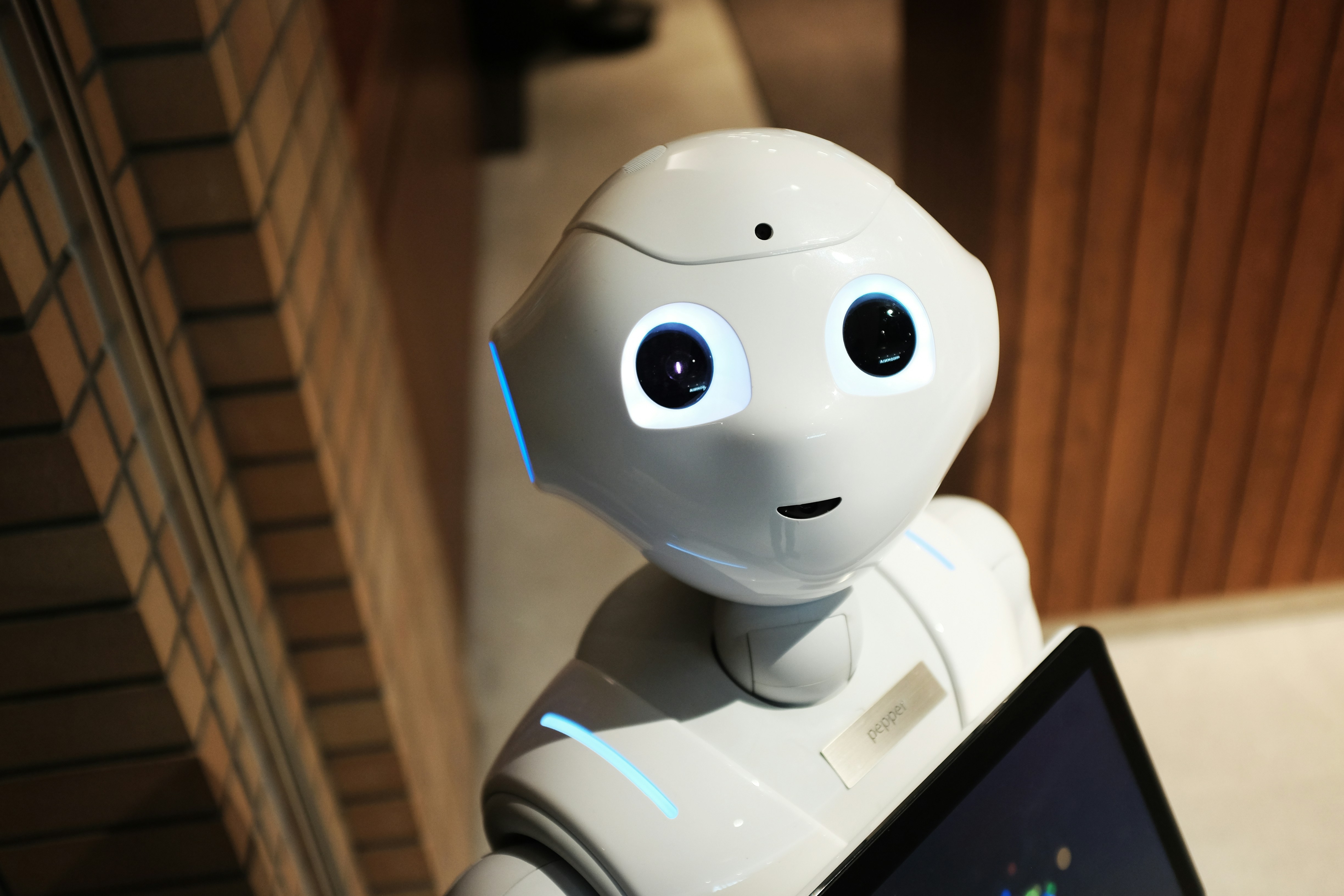
The evolution of AI robotics from factory floors to everyday life
Introduction: The Dawn of a New Robotic Era
Artificial Intelligence has fundamentally transformed robotics, creating machines that can perceive, learn, and adapt to complex environments. Today's AI robot bridge the gap between digital intelligence and the physical world, serving as collaborative partners rather than mere automated tools. This technological revolution is reshaping industries from healthcare to manufacturing and redefining human-machine relationships.
The integration of advanced AI algorithms with sophisticated mechanical systems has enabled unprecedented capabilities. Modern robot can understand natural language commands, recognize human emotions, perform delicate surgical procedures, and adapt to unstructured environments. This represents not just incremental improvement but a paradigm shift in what robot can achieve.
See factory-scale robotics in practice with Midea Smart Manufacturing, which pairs industrial automation with AI-driven quality control.
Core Technology Evolution: The Convergence of Perception, Decision, and Action
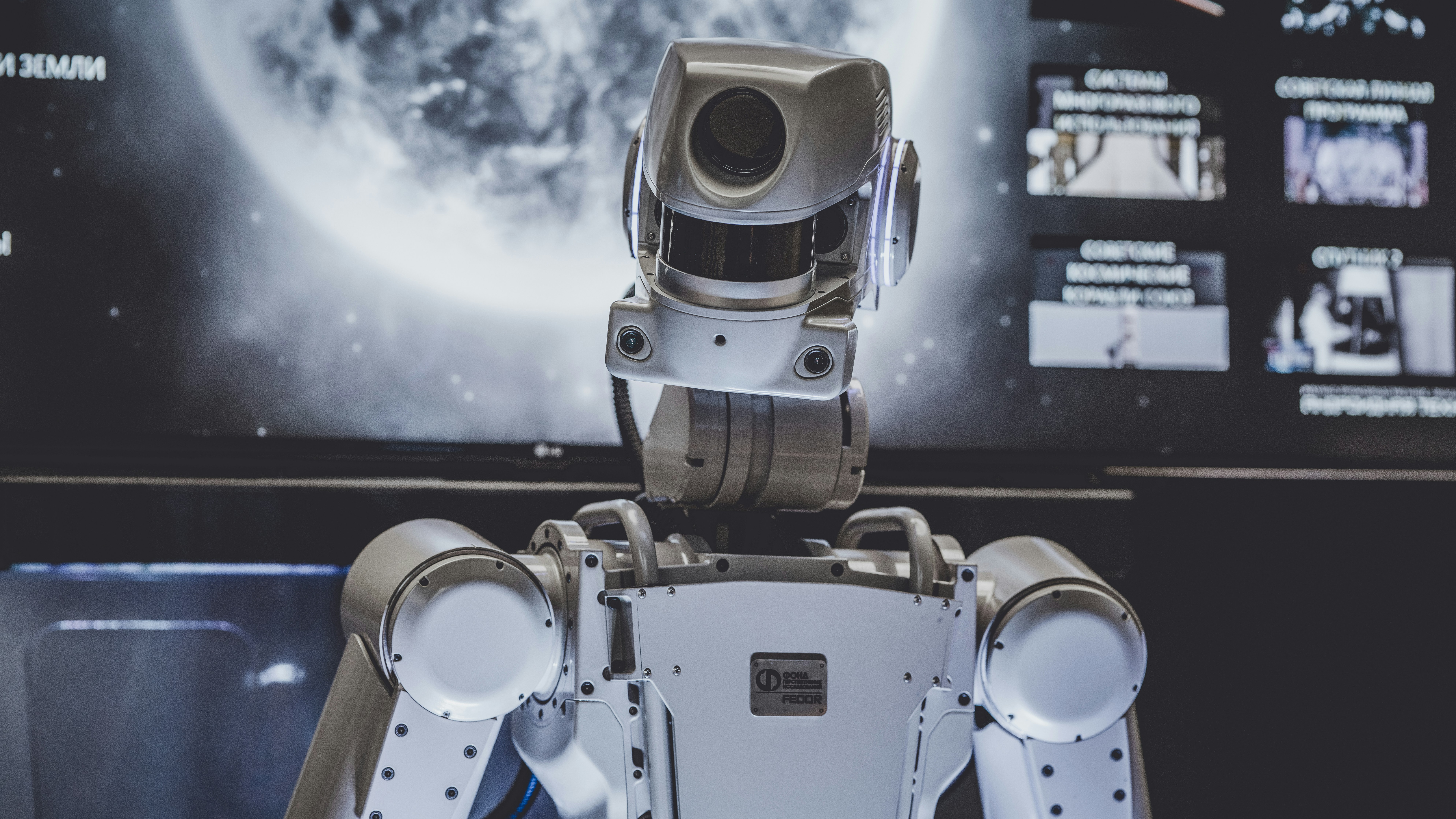
Modern AI robot integrate multiple cutting-edge technologies
Breakthroughs in Perception Systems
Contemporary AI robot feature perception capabilities that far exceed traditional sensors. Through computer vision, LiDAR technology, and multimodal sensor fusion, robot can now detect and track hundreds of objects simultaneously, understand environmental semantics, recognize subtle social cues, and navigate dynamic spaces with precision. This enhanced perception allows robot to interact with their surroundings intelligently and safely.
Intelligent Decision-Making Capabilities
The integration of large language models and advanced AI algorithms enables robot to make complex decisions in real-time. Modern systems can interpret natural language instructions, adapt to uncertain environments, learn from experience to optimize performance, and anticipate human needs to provide proactive assistance. This cognitive advancement transforms robot from programmed executors to thinking partners.
Continuous delivery of robot software benefits from CI/CD stacks like Jenkins Automation Server, ensuring new perception and planning models deploy safely.
Revolution in Execution Precision
New-generation robotics combine compliant control systems, force feedback mechanisms, and precision transmission technology to achieve sub-millimeter accuracy. These advancements enable human-level dexterity, safe physical human-robot interaction, and coordinated multi-task execution, allowing robot to perform everything from microsurgery to complex assembly tasks.
Application Scenarios: How AI Robot Are Transforming Industries
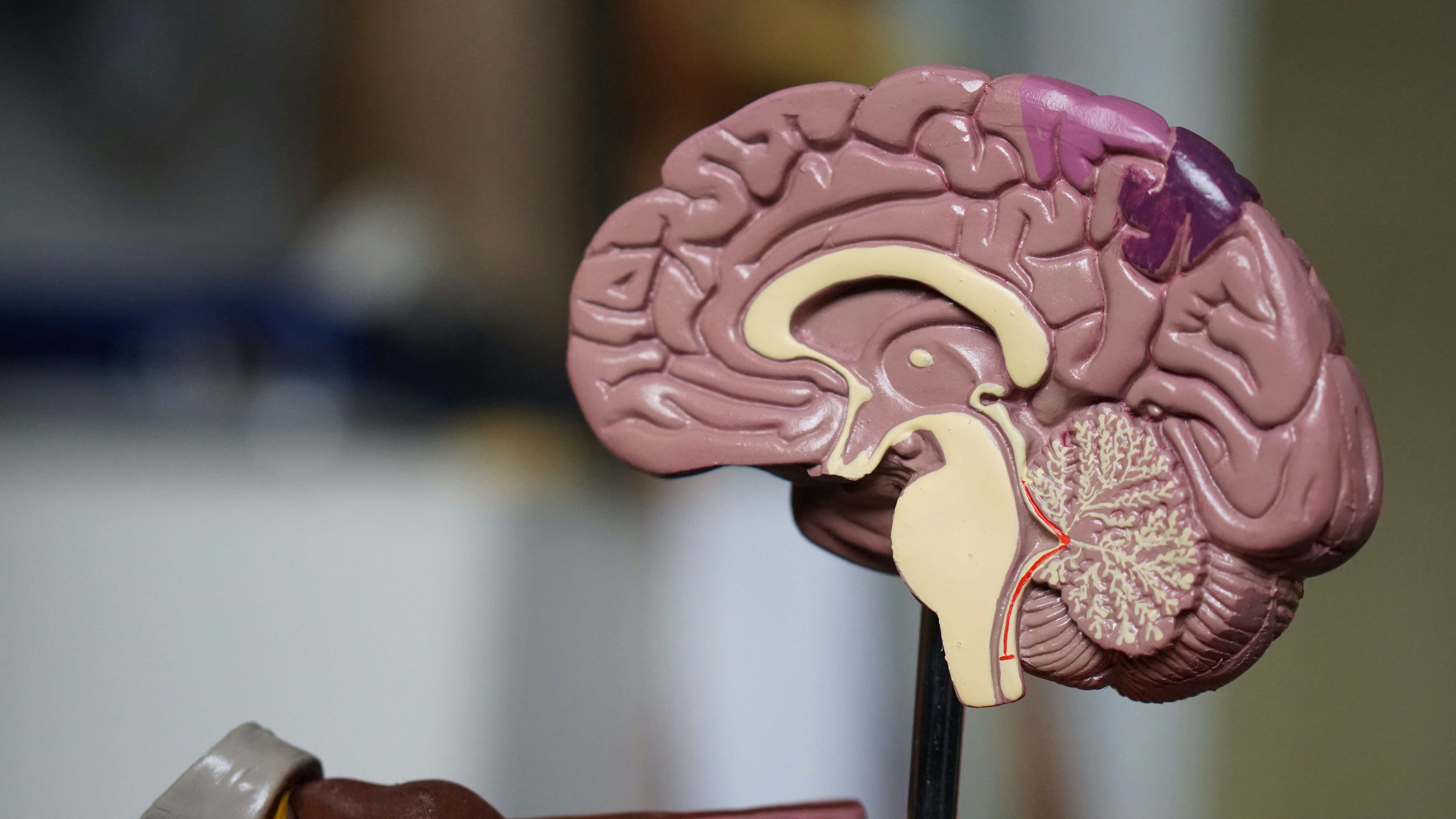
Surgical robot demonstrating unprecedented precision in medical procedures
Healthcare Transformation
AI surgical robot like the da Vinci Surgical System can perform procedures with greater precision than human surgeons. These advanced platforms reduce surgical trauma and recovery time, provide 10x magnified visualization, filter hand tremors, and enable remote surgical capabilities. Rehabilitation robot utilize AI algorithms to analyze real-time patient data, dynamically adjust therapy intensity, predict recovery progress, and provide emotional support.
Education and Social Robotics
Educational robot such as SoftBank's Pepper and various smart learning companions are revolutionizing educational methodologies. They offer personalized learning paths, recognize student emotional states, create immersive learning experiences, and develop collaborative and social skills. In special education, AI robot provide unique value by offering social training for autistic children, delivering consistent and patient interaction, reducing learning anxiety, and collecting data for personalized interventions.
Service and Commercial Applications
From hotel reception to restaurant service, AI robot are redefining customer experiences with 24/7 availability, multilingual instant translation, personalized recommendations, and efficient logistics. During the pandemic, service robot demonstrated critical value through contactless delivery and disinfection, remote medical assistance, public space monitoring, and mental health support.
Warehouse and fulfillment automation is exemplified by Amazon Logistics Robotics, showcasing conveyor orchestration and robotic picking at scale.
Human-Robot Collaboration: From Tools to Partners

Collaborative robot designed to work safely alongside human workers
Industrial Collaborative Robot (Cobots)
Unlike traditional industrial robot, collaborative robot are specifically designed to share workspace with humans. Featuring force sensing and safety stop functions, they can be deployed without safety cages, support rapid reprogramming, and learn from human operators' techniques. This collaborative approach significantly enhances production line flexibility and efficiency.
Emotional Intelligence in Social Robot
The latest generation of social robot can understand and respond to human emotions. Capable of recognizing facial expressions and vocal tones, they provide emotional support and companionship, adapt to different cultural interaction norms, and establish long-term relationships. These capabilities make robot valuable in eldercare, child education, and mental health applications.
Smart Home Assistants
Home robot have evolved from simple cleaning devices to comprehensive household managers. They learn family members' habits and preferences, coordinate smart home devices, provide care for elderly and children, and monitor home security. This comprehensive home support is transforming modern lifestyles.
For lightweight home and desktop automation, tools like AutoHotkey Automation demonstrate how scripting can bridge devices and routines.
Technical Challenges and Future Directions
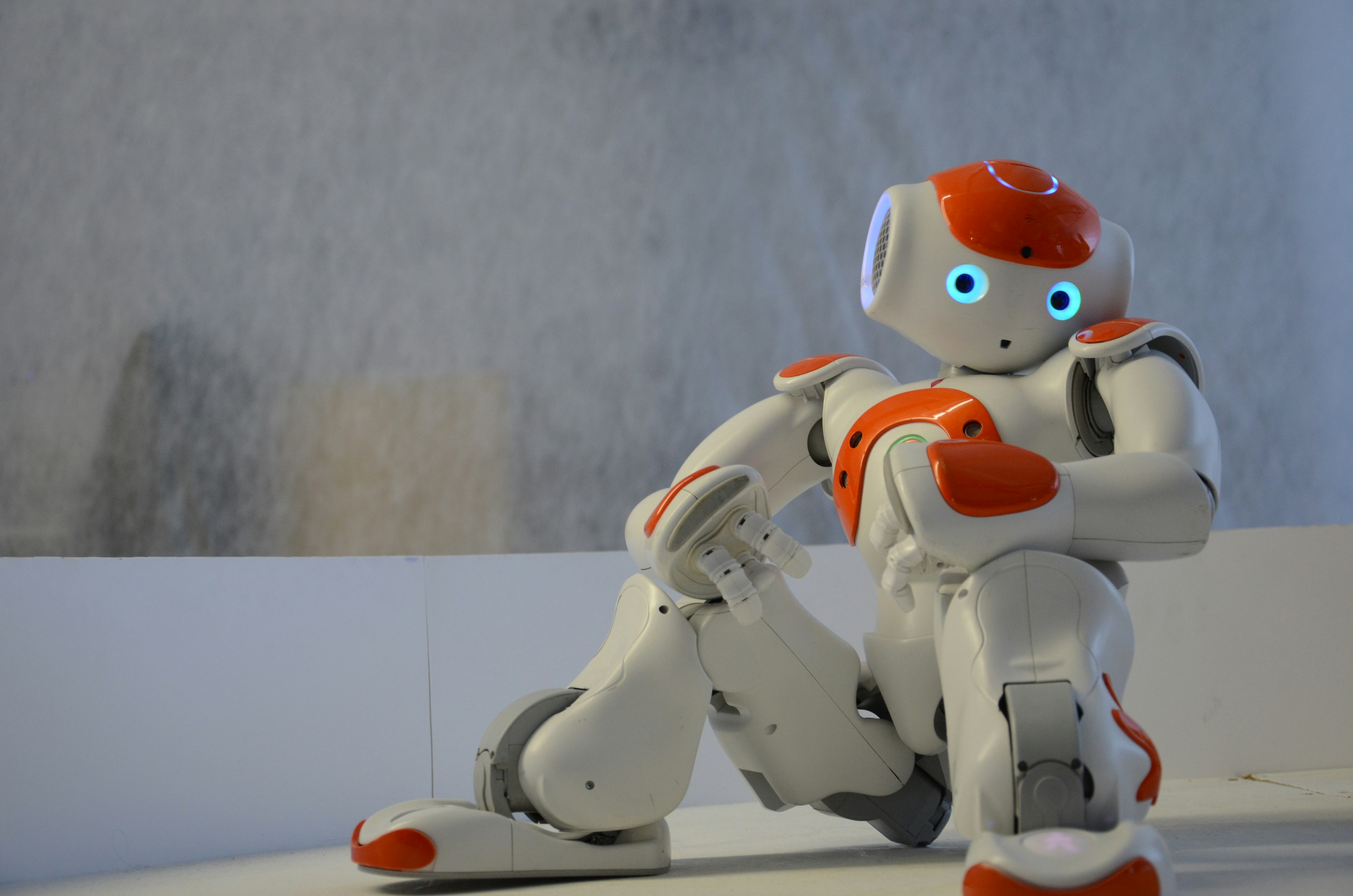
Overcoming technical barriers in robotics development
Technical Challenges and Solutions
1. Real-Time Processing: Edge computing combined with cloud robotics architecture, specialized AI chips, and 5G-enabled low-latency communication address complex real-time decision-making requirements.
2. Energy Efficiency: Development of high-energy-density battery technology, dynamic power management algorithms, and wireless/autonomous charging systems extend robot operational duration.
3. Environmental Adaptation: Multimodal sensor fusion and robust computer vision algorithms enhance performance in unstructured environments.
Operational reliability is supported by monitors like UptimeRobot Status Monitor, keeping robotics backends and control planes online.
Ethical and Social Considerations
The proliferation of AI robot raises important ethical questions regarding job displacement fairness, privacy and data security, robot rights and responsibilities, and boundaries in human-robot relationships. Addressing these challenges requires collaboration between technology developers, policymakers, and the public to establish transparent and responsible development frameworks.
Future Trends: Autonomy, Personalization, and Accessibility
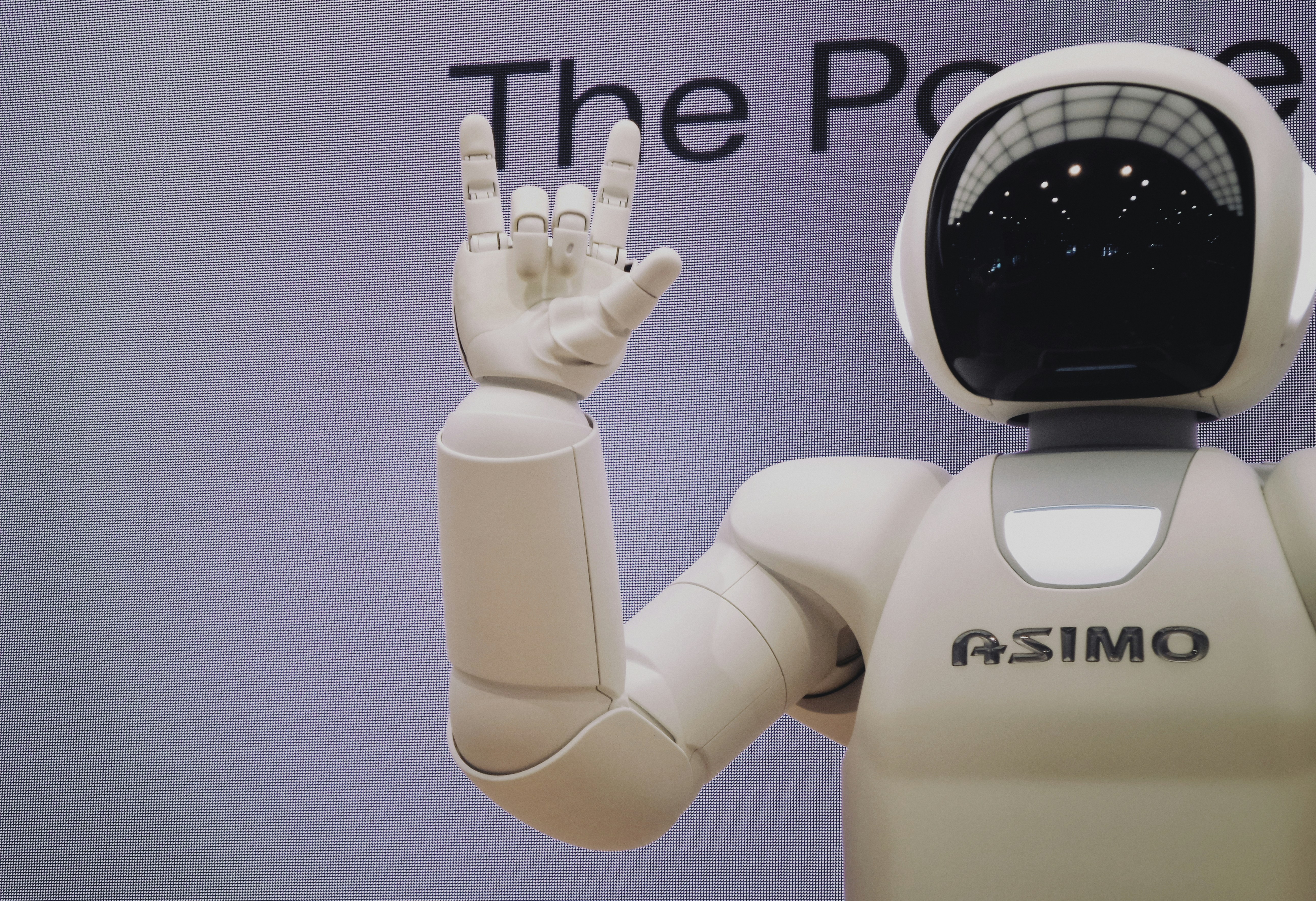
The evolving landscape of robotics technology and applications
Increasing Autonomy
Future AI robot will demonstrate greater autonomy with self-diagnostic capabilities, self-optimization algorithms, and long-term operational independence. These systems will require minimal human intervention while maintaining safety and reliability standards.
Personalized Interactions
Advanced machine learning will enable robot to develop personalized interaction models based on individual user preferences, historical interactions, and contextual understanding. This personalization will enhance user experience across educational, healthcare, and domestic applications.
Democratization of Robotics
Cost reductions and improved accessibility will make advanced robotics technology available to smaller businesses, educational institutions, and individual consumers. This democratization will accelerate innovation and application development across diverse sectors.
Conclusion: Shaping a Collaborative Future
The AI robotics revolution represents one of the most significant technological transformations of our time. As robot become more intelligent, adaptable, and integrated into our daily lives, they offer unprecedented opportunities to enhance human capabilities, improve quality of life, and solve complex societal challenges.
The most successful implementations will be those that prioritize human-robot collaboration, ethical development practices, and user-centered design. By approaching robotics technology with careful consideration of both its potential and its implications, we can create a future where intelligent machines amplify human creativity, productivity, and well-being.
The journey toward advanced AI robotics is just beginning. Each technological breakthrough brings new possibilities and responsibilities. Through continued innovation, thoughtful regulation, and collaborative development, we can ensure that robotics technology serves humanity's best interests and contributes to a more efficient, compassionate, and innovative world.
