The Evolving Landscape of AI: From Productivity Tools to Programming Revolution
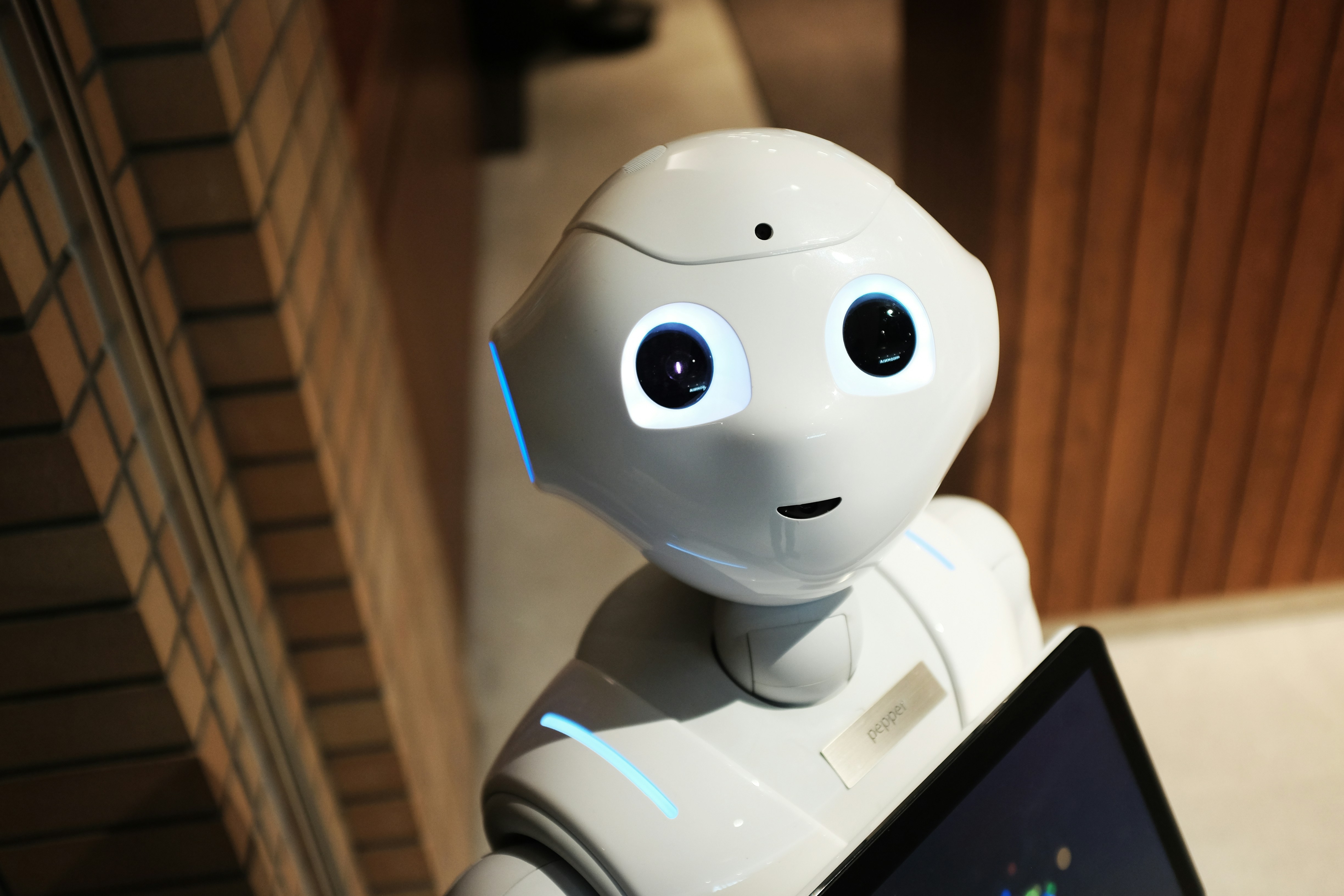
The rapid evolution of AI from theoretical concept to practical tool
Introduction: The AI Revolution Is Here
Artificial Intelligence has transitioned from science fiction to everyday reality at a breathtaking pace. What began as academic research and limited applications has exploded into a transformative force reshaping every industry. Today, AI tools are no longer just impressive demonstrations—they're practical solutions that professionals integrate into their daily workflows. From content creation to software development, AI assistants have become indispensable companions that enhance human capabilities rather than replace them.
The most remarkable aspect of this evolution is how quickly these tools have matured. Early AI systems were often cumbersome, specialized, and required significant technical expertise. Today's AI tools are intuitive, accessible, and designed to solve real-world problems immediately. This democratization of artificial intelligence represents one of the most significant technological shifts of our time.
The Productivity Revolution: AI as Your Digital Assistant
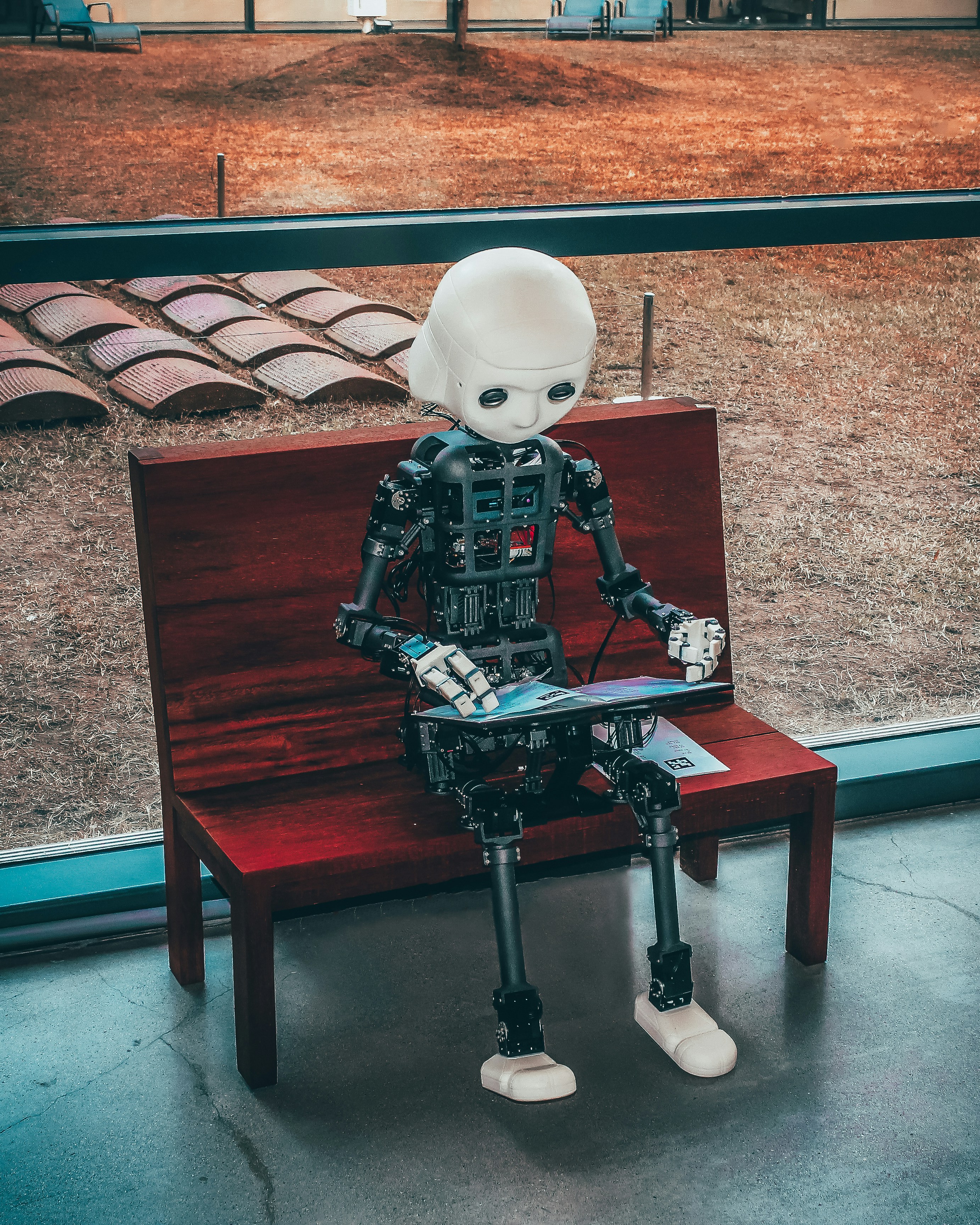
Modern AI assistants transforming workplace productivity
One of the most transformative applications of AI has been in personal and professional productivity. Modern AI assistants understand context, anticipate needs, and handle routine tasks with remarkable efficiency. These tools aren't just about saving time—they're about enhancing the quality of work and freeing human minds for creative and strategic thinking.
A standout example in this category is Doubao AI Productivity Assistant. This comprehensive tool demonstrates how far AI assistants have come. Unlike early chatbots that could only handle simple queries, Doubao understands complex workflows, manages multi-step processes, and adapts to individual working styles. It represents the new generation of AI tools that don't just respond to commands but actively collaborate with users.
The implications for workplace productivity are profound. Studies show that professionals using AI assistants complete tasks 40-60% faster while maintaining or improving quality. More importantly, these tools reduce cognitive load, allowing users to focus on higher-value activities. As AI continues to evolve, the line between human and machine collaboration will blur further, creating hybrid workflows that leverage the strengths of both.
The Coding Transformation: AI-Powered Development

AI-powered coding assistants revolutionizing software development
Perhaps no field has been more dramatically transformed by AI than software development. The introduction of AI-powered coding assistants has changed how developers write, review, and debug code. These tools understand context, suggest completions, and even write entire functions based on natural language descriptions.
GitHub Copilot pioneered this revolution. As one of the first widely adopted AI coding assistants, it demonstrated that machines could understand programming intent, not just syntax. Developers worldwide have reported significant productivity boosts, with some estimates suggesting 30-50% faster coding for routine tasks. But beyond speed, these tools are changing how we think about programming itself.
The evolution continues with more specialized tools like Cursor IDE AI Editor, which integrates AI directly into the development environment. This represents a significant advancement—rather than being a separate tool, the AI becomes part of the development workflow itself. The editor understands your entire codebase, suggests architectural improvements, and helps refactor code intelligently.
For those looking for accessible alternatives, Codeium Free Coding Toolkit offers powerful AI coding assistance without the premium price tag. This democratization is crucial—it ensures that developers at all levels and in all organizations can benefit from AI advancements, not just those at well-funded tech companies.
Multimodal AI: The Next Frontier

Multimodal AI systems processing multiple data types simultaneously
While text-based AI has dominated early adoption, the real breakthrough is happening in multimodal systems. These AI models can understand and generate content across different media types—text, images, audio, and video—simultaneously. This represents a fundamental shift from specialized AI systems to more generalized intelligence.
Google Gemini Multimodal AI exemplifies this new generation. Unlike previous models that treated different media types separately, Gemini processes them together, understanding the relationships between text and images, audio and context. This capability opens up entirely new applications, from sophisticated content creation to complex problem-solving that requires understanding multiple information sources simultaneously.
The implications are staggering. In education, multimodal AI can explain concepts using diagrams, examples, and interactive elements tailored to individual learning styles. In creative fields, it can generate cohesive campaigns that include copy, visuals, and even audio elements. For research, it can analyze papers, datasets, and visual representations to identify patterns invisible to single-modality systems.
Ethical Considerations and Responsible AI Development

Ethical considerations in AI development and deployment
As AI capabilities expand, ethical considerations become increasingly critical. The very tools that enhance productivity and creativity also raise important questions about bias, privacy, accountability, and the future of work. Responsible AI development isn't just an ethical imperative—it's essential for sustainable adoption and public trust.
One of the most pressing concerns is bias in training data. AI models learn from existing datasets, which often contain historical biases. Without careful attention, these models can perpetuate or even amplify societal inequalities. Developers must implement robust testing, diverse training data, and continuous monitoring to identify and mitigate biases.
Privacy represents another significant challenge. Many AI tools process sensitive information, raising questions about data security and user consent. The most successful tools will be those that transparently address these concerns, implementing strong privacy protections while delivering value.
Perhaps the most discussed concern is AI's impact on employment. While AI will undoubtedly automate certain tasks, history suggests that technological advancement creates new opportunities even as it disrupts existing ones. The key is focusing on augmentation rather than replacement—developing AI tools that enhance human capabilities rather than attempt to replicate them entirely.
The Future of Human-AI Collaboration

The evolving relationship between humans and AI systems
Looking forward, the most significant trend will be the evolution of human-AI collaboration. We're moving beyond tools that simply execute commands toward true partners that understand context, anticipate needs, and contribute creatively. This represents a fundamental shift in how we work and create.
In creative fields, AI is becoming a collaborative partner rather than just a tool. Writers, designers, and artists are using AI to overcome creative blocks, generate ideas, and explore possibilities they might not have considered. The best results come from a synergistic relationship where human judgment guides AI capabilities.
In technical fields, the collaboration is even more profound. Developers working with tools like GitHub Copilot report that it changes how they think about problem-solving. The AI handles routine implementation details, allowing developers to focus on architecture, user experience, and innovative solutions.
Education and learning represent another frontier. AI tutors can provide personalized instruction at scale, adapting to individual learning styles and pacing. Tools like Doubao are already being used in educational settings to help students with research, writing, and project organization.
Practical Implementation: Getting Started with AI Tools

Practical steps for implementing AI tools in workflows
For organizations and individuals looking to integrate AI into their workflows, the path forward involves several key steps:
1. Start with specific problems: Rather than implementing AI broadly, identify specific pain points where AI could help. For coding challenges, tools like Codeium offer an accessible entry point.
2. Focus on augmentation: Look for tools that enhance human capabilities rather than attempting full automation. Cursor IDE exemplifies this approach, integrating AI assistance directly into developers' existing workflows.
3. Invest in training: The most powerful AI tools require learning new ways of working. Organizations should provide training on effective prompt engineering, AI collaboration techniques, and ethical considerations.
4. Implement gradually: Start with pilot projects, gather feedback, and refine approaches before broader implementation. This iterative approach reduces risk and increases success rates.
5. Establish guidelines: Clear policies around AI use, particularly regarding data privacy, intellectual property, and ethical considerations, are essential for responsible implementation.
Conclusion: The Symbiotic Future
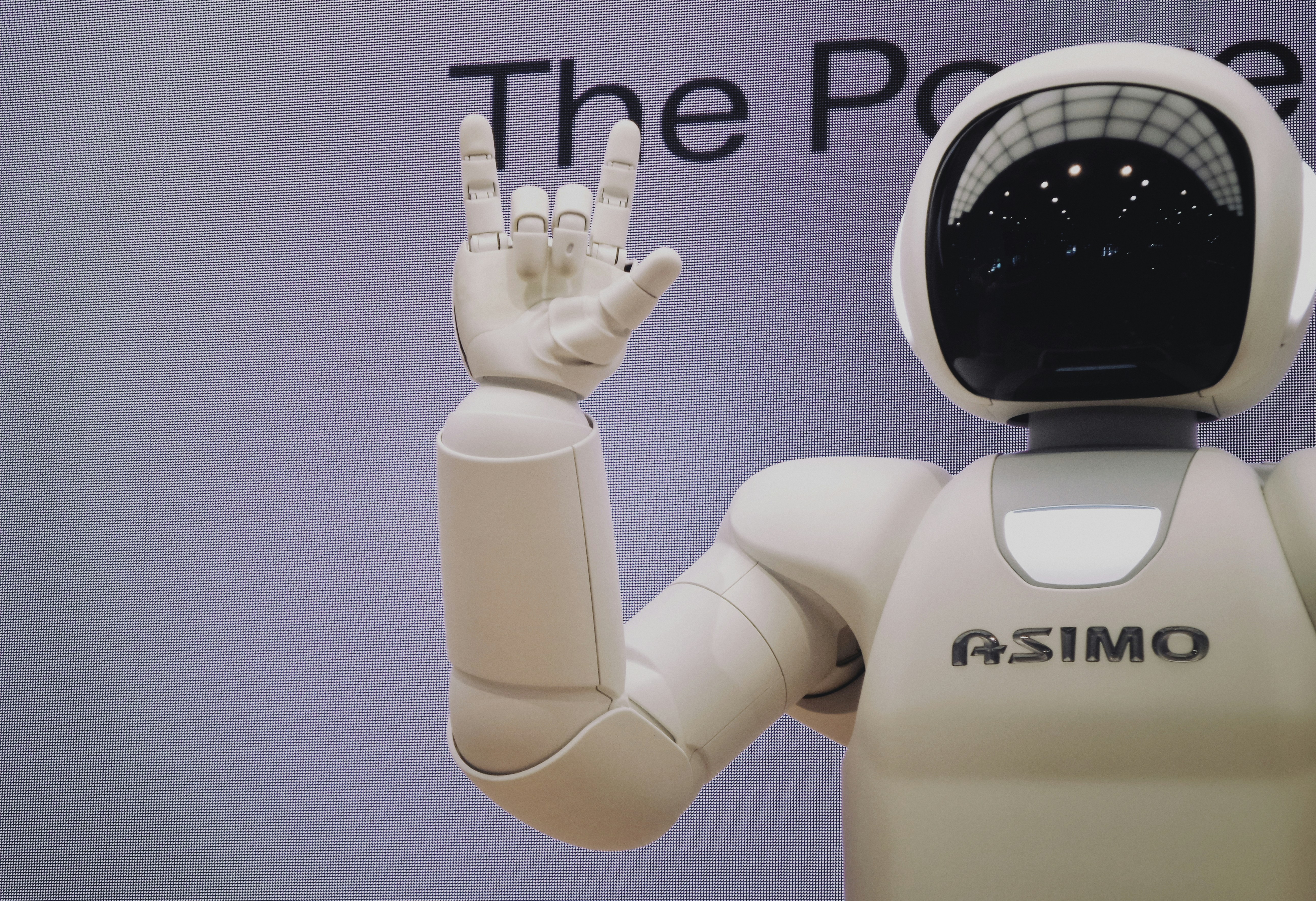
The future of human-AI collaboration and innovation
The AI revolution is not about machines replacing humans but about creating new forms of collaboration that leverage the unique strengths of both. Tools like Doubao, GitHub Copilot, Google Gemini, Cursor IDE, and Codeium represent different facets of this transformation, each addressing specific needs while contributing to the broader evolution of human-machine collaboration.
As AI continues to advance, the most successful organizations and individuals will be those who embrace these tools thoughtfully, focusing on augmentation rather than replacement, and maintaining human judgment and creativity at the center of their workflows. The future belongs not to AI alone, nor to humans alone, but to the creative partnership between biological and artificial intelligence.
The journey has just begun. Each advancement opens new possibilities while presenting new challenges. By approaching AI with curiosity, critical thinking, and ethical consideration, we can shape a future where technology amplifies our best human qualities rather than diminishing them. The tools exist; our task now is learning to use them wisely, creatively, and humanely.
